Smart Commercial EV Charger Installation Solutions For Growing Businesses
Automobile companies are gradually appearing in parking lots with electric vehicles. Workers and clients demand on-site, easy charging facilities. That expectation creates new electrical demand quickly. Standard commercial wiring may not support continuous charging loads safely. Careful evaluation becomes necessary before any equipment gets mounted. Ignoring capacity limits leads to breaker trips and overheating issues. Stable infrastructure keeps operations running smoothly. Planning early avoids rushed upgrades later.
Load Calculation Comes First
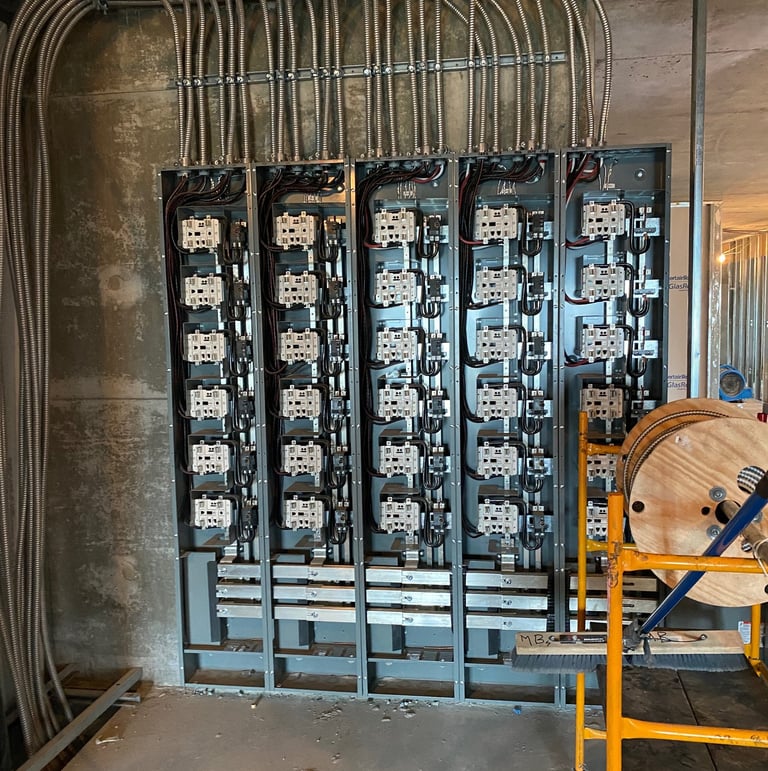
Before starting any Commercial Ev Charger Installation, the electrical load must be measured accurately. Existing panels might already handle lighting and machinery at high capacity. Adding multiple chargers increases stress on distribution systems. Professional planning prevents imbalance across circuits. Dedicated breakers ensure controlled and predictable energy flow. Proper amperage calculation protects internal wiring from heat damage. Structured assessment saves time and prevents corrective work. Precision matters more than speed here.
Infrastructure Layout Planning
Parking design influences wiring routes and installation strategy significantly. Experienced Commercial Ev Charger Installers study the layout before running conduit lines. Shorter cable paths reduce voltage drop and material cost. Mounting height affects safety and ease of use. Grounding systems require careful attention during setup. Secure enclosures protect equipment from weather exposure. Organised installation keeps the site visually clean. Thoughtful planning improves long-term performance.
Avoiding Overload Problems
Overloaded panels create hidden risks behind closed covers. Frequent breaker resets are often early warning signs. During Commercial Ev Charger Installation, load balancing prevents that stress buildup. Transformers may need upgrades for larger facilities. Proper distribution avoids sudden voltage dips across offices. Heat buildup weakens components gradually over time. Preventive design reduces emergency repair situations. Stable systems protect business productivity.
Safety And Code Compliance
Commercial electrical work must follow strict regulatory standards. Qualified Commercial Ev Charger Installers understand inspection and permit requirements clearly. Correct cable sizing prevents overheating under continuous charging cycles. Weather-resistant fittings protect outdoor units from corrosion. Ground fault protection safeguards both users and vehicles. Compliance reduces liability concerns significantly. Documentation simplifies future maintenance tasks. Safety remains a constant priority.
Long-Term Expansion Planning
Charging demand will likely grow within commercial environments. Businesses may add more charging units later. Strategic Commercial Ev Charger Installation allows room for expansion. Spare breaker capacity simplifies future integration efforts. Experienced Commercial Ev Charger Installers design scalable systems intentionally. Planning lowers modification costs down the road. Structured infrastructure supports sustainable growth. Reliable systems create confidence among employees and visitors.
Conclusion
The proper commercial charging infrastructure is based on the right load evaluation, planned actions, and adherence to the electrical requirements. Enterprises that require the assistance of a professional can check the available solutions and electrivolt.ca/en to obtain the organised and code-compliant installation services. Proper charger integration protects panels from overload while supporting consistent daily operations. Hire of experienced installers will guarantee safe wiring paths, a balance of circuits and long-lasting placement of equipment. Infrastructure planning saves time and reduces costs in the future. Call qualified professionals today in order to arrange efficient, safe and scalable EV charging solutions for your commercial property.


Comments
Post a Comment